
Getting crispy, flavorful vegetables on the table fast can feel impossible when you're juggling a busy schedule and trying to eat healthier. Traditional frying drowns your veggies in oil, while oven roasting takes forever and often leaves you with soggy results. Air fryer vegetable recipes solve both problems, delivering restaurant-quality crispiness with minimal oil in a fraction of the time. Whether you're craving golden potatoes, caramelized cauliflower, or perfectly charred green beans, these recipes transform everyday vegetables into crave-worthy dishes that support your health goals without sacrificing taste or convenience.
Table of Contents
- How to choose and prep vegetables for air frying
- Top air fryer vegetable recipes with simple steps
- Comparing air frying vs traditional methods for vegetables
- Pro tips for perfectly crispy air fryer vegetables every time
- Discover more perfect air fryer recipes and tips
- FAQ
Key takeaways
| Point | Details |
|---|---|
| Health advantage | Air frying reduces fat content and harmful acrylamide formation compared to traditional frying methods. |
| Crispiness secret | Preheating your air fryer and avoiding overcrowding ensures optimal airflow for maximum crispiness. |
| Minimal oil needed | A light coating of oil plus generous seasoning creates flavorful, crispy vegetables without excess calories. |
| Speed and texture | Air fryers cook vegetables faster and crispier than conventional ovens due to superior heat circulation. |
| Versatile options | Popular choices include potatoes, cauliflower, green beans, zucchini, and okra for endless meal variety. |
How to choose and prep vegetables for air frying
Selecting the right vegetables makes all the difference in your air frying success. Sturdy vegetables with lower moisture content work best because they crisp up beautifully without turning mushy. Potatoes, cauliflower, Brussels sprouts, green beans, and bell peppers are perfect candidates. Root vegetables like carrots and parsnips also deliver excellent results. Softer vegetables like tomatoes or leafy greens don't hold up well to the intense heat and airflow.
Proper preparation sets the foundation for crispy perfection. Start by washing your vegetables thoroughly, then pat them completely dry with paper towels or a clean kitchen cloth. Any residual moisture creates steam instead of crispiness, so this step is non-negotiable. Cut your vegetables into uniform pieces, roughly the same size, so they cook evenly. Inconsistent sizing means some pieces burn while others stay undercooked.
Preheating your air fryer for 3 to 5 minutes before adding vegetables is crucial for achieving that coveted crispy exterior. The hot basket immediately starts the browning process when your vegetables hit the surface. Skip this step and you'll get steamed vegetables instead of crispy ones. Think of it like preheating your oven, it's essential for proper cooking.
Avoid the temptation to overcrowd your basket. When vegetables pile on top of each other, hot air can't circulate properly around each piece. Airflow exceeding 2.1 m/s increases dehydration rates in cruciferous vegetables by 68% even with zero added oil. Cook in batches if needed. Your patience pays off with evenly crisped vegetables rather than a mix of burnt and soggy pieces.
Seasoning generously transforms plain vegetables into flavor-packed side dishes. Toss your prepped vegetables with a light coating of oil, just enough to help seasonings stick and promote browning. Add salt, pepper, garlic powder, paprika, or your favorite herb blends. The oil also helps conduct heat to the vegetable surface, speeding up the crisping process. For more ideas on what to air fry, explore different vegetable combinations and seasoning profiles.
Pro Tip: Keep a spray bottle filled with olive oil or avocado oil for quick, even coating without overdoing it. A few spritzes cover all surfaces perfectly without adding excess calories.
Top air fryer vegetable recipes with simple steps
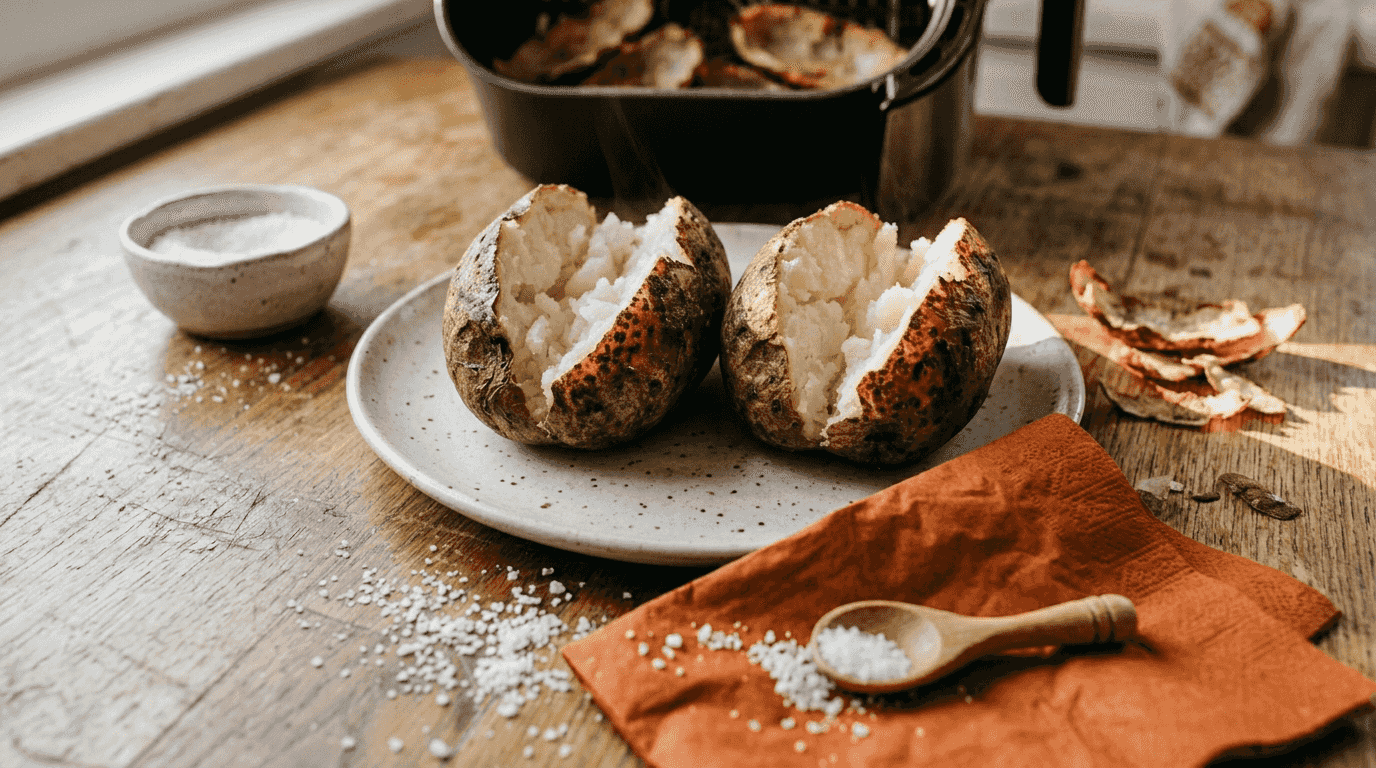
Crispy baked potatoes become weeknight staples when you use your air fryer. Scrub russet potatoes clean, poke several holes with a fork, then rub with a tiny amount of oil and coarse salt. Air fry at 400°F for 35 to 40 minutes, flipping halfway through. The result? Fluffy interiors with shatteringly crisp skin that rivals any steakhouse version. Check out the full air fryer baked potato recipe for detailed instructions and timing variations.
Buffalo cauliflower bites deliver bold flavor with impressive crispiness. Cut a head of cauliflower into bite-sized florets, toss with a light coating of oil and your favorite buffalo sauce, then air fry at 375°F for 15 to 18 minutes. Shake the basket halfway through to ensure even browning. These buffalo cauliflower bites satisfy spicy cravings while keeping things healthy. Serve with ranch or blue cheese dressing for the full experience.
Lemon garlic green beans prove that simple ingredients create restaurant-quality results. Trim fresh green beans, toss with minced garlic, lemon zest, olive oil, salt, and pepper. Air fry at 380°F for 8 to 10 minutes, shaking once midway. The beans emerge tender-crisp with beautifully charred edges and bright, zesty flavor. This lemon garlic green beans recipe takes less than 15 minutes from start to finish.
The magic behind these crispy results comes from chemistry. Air frying vegetables results in a crispy texture due to the Maillard reaction, a chemical reaction between amino acids and reducing sugars that gives browned food its distinctive flavor. This same reaction happens in traditional cooking methods, but air fryers accelerate it through concentrated heat and rapid air circulation.
All these recipes emphasize minimal oil use and straightforward seasoning. You don't need fancy ingredients or complicated techniques. The air fryer does the heavy lifting, transforming simple vegetables into dishes that look and taste like you spent hours in the kitchen. Mix and match seasonings to keep meals interesting throughout the week.
Pro Tip: Write cook times and temperatures on a small whiteboard or sticky note attached to your air fryer. After a few rounds, you'll memorize your favorites and streamline your cooking routine even further.
Comparing air frying vs traditional methods for vegetables
Air frying uses significantly less oil than deep frying and even conventional oven roasting. While deep frying submerges vegetables in hot oil, air frying requires just a light coating or spray. Air frying can reduce the fat content of vegetables compared to deep frying. Even compared to oven roasting, air frying requires significantly less oil than oven roasting, leading to fewer calories. This translates to lighter dishes that don't leave you feeling greasy or weighed down.
Texture differences become obvious when you compare methods side by side. Air fryers achieve crispier results than conventional ovens due to superior heat dynamics, airflow, and moisture control. Oven roasted vegetables often turn out soft or unevenly browned, especially if you crowd the pan. Deep fried vegetables get crispy but absorb substantial oil, adding unnecessary fat and calories. Air frying delivers the best of both worlds: crispy exteriors with tender interiors and minimal added fat.
Cooking speed gives air fryers another major advantage. Conventional ovens take 15 to 20 minutes just to preheat, then require 25 to 40 minutes for vegetables to roast properly. Air fryers preheat in under 5 minutes and cook most vegetables in 10 to 20 minutes total. When you're rushing to get dinner on the table, that time savings makes a real difference. Deep frying is fast but messy, requiring large amounts of oil and extensive cleanup.
Health factors extend beyond just fat content. Air frying reduces harmful acrylamide formation, a potentially carcinogenic compound that develops when starchy foods cook at high temperatures. Traditional frying produces higher acrylamide levels than air frying. For health-conscious home cooks, this makes air frying the smarter choice for regular vegetable preparation. Consult the air fryer time and temperature guide to optimize cooking parameters for different vegetables.
| Method | Fat Content | Cook Time | Texture | Health Factor |
|---|---|---|---|---|
| Air Frying | Minimal oil needed | 10-20 minutes | Crispy exterior, tender inside | Lower acrylamide, fewer calories |
| Deep Frying | High oil absorption | 5-10 minutes | Very crispy but greasy | High fat, high acrylamide |
| Oven Roasting | Moderate oil needed | 30-45 minutes | Soft to moderately crisp | Moderate fat and acrylamide |
| Steaming | No oil | 8-15 minutes | Soft, no crispiness | Very low fat but bland |
Pro tips for perfectly crispy air fryer vegetables every time
Always preheat your air fryer for 3 to 5 minutes before adding vegetables. This simple step dramatically improves crispiness by creating an immediate sear when vegetables hit the hot basket. Cold starts lead to steaming rather than crisping, leaving you with disappointing results. Set your timer and let the basket heat up properly while you finish prepping your vegetables.
Avoid overcrowding at all costs. When vegetables pile up or overlap, hot air can't reach all surfaces evenly. Cook in batches if you're preparing vegetables for a crowd. A single layer with slight spacing between pieces ensures every vegetable gets maximum airflow and comes out uniformly crispy. It takes a few extra minutes but delivers vastly superior results.
Use a light coating of oil combined with generous seasoning for the best flavor and texture. You don't need to drench vegetables in oil. A tablespoon or two tossed with your vegetables, or a few spritzes from an oil spray bottle, provides enough fat to promote browning and help seasonings adhere. Then go bold with your spices, herbs, garlic powder, onion powder, smoked paprika, or whatever flavors you love.
Shake or toss vegetables halfway through cooking to ensure even crispness on all sides. Most air fryer recipes benefit from this mid-cook redistribution. Simply pull out the basket, give it a good shake or use tongs to flip larger pieces, then slide it back in to finish cooking. This prevents one side from burning while the other stays pale and soft. For specific techniques, check out crispy zucchini fries tips and crispy air fryer okra techniques.
Experiment with different herbs and spices to keep your vegetable repertoire interesting. Try Italian seasoning on zucchini, curry powder on cauliflower, or everything bagel seasoning on Brussels sprouts. Fresh herbs added after cooking provide bright, aromatic finishes. Lemon juice, balsamic vinegar, or hot sauce drizzled over finished vegetables add extra dimension without extra calories.
Pro Tip: Keep a small notebook or use your phone to track which temperature and time combinations work best for your favorite vegetables. Air fryer models vary slightly, so your personal testing creates a customized reference guide that ensures perfect results every time.
Discover more perfect air fryer recipes and tips
Now that you've mastered the fundamentals of air frying vegetables, it's time to expand your culinary horizons. The website offers a comprehensive collection of perfect air fryer recipes that go far beyond vegetables. Explore appetizers, main courses, snacks, desserts, and international dishes that all leverage the speed and efficiency of air frying. Each recipe includes detailed instructions, cook times, temperature settings, and user ratings to help you achieve consistent results.

When you're planning meals and wondering what to prepare next, the air fryer time and temperature guide serves as your go-to resource. It covers dozens of foods with optimal settings tested and verified for the best texture and flavor. Whether you're cooking proteins, frozen foods, or experimenting with new vegetables, this guide eliminates guesswork and builds your confidence. For daily inspiration on what to air fry, browse the recipe collections organized by meal type, difficulty level, and cooking time to match your schedule and skill level.
FAQ
How long should I air fry different vegetables?
Cooking times vary based on vegetable type and size. Green beans typically need 8 to 10 minutes at 380°F, while Brussels sprouts require 15 to 18 minutes at 375°F. Potatoes take longer, around 35 to 40 minutes at 400°F for whole baked potatoes or 20 to 25 minutes for cubed pieces. Always check for your desired level of crispiness and adjust times slightly based on your specific air fryer model. For comprehensive timing details, consult the air fryer cooking times guide that covers dozens of vegetables with precise temperature and duration recommendations.
Can I air fry vegetables without oil and still get crispy results?
Yes, you can achieve crispy vegetables with minimal or no added oil. The crispiest air-fried vegetables tested had less than 0.8g of oil per 100g. The key factor is airflow speed, which drives moisture out of the vegetable surface through rapid dehydration. The Maillard reaction still occurs with trace amounts of natural oils present in vegetables themselves. A light spritz of oil helps with browning and seasoning adhesion, but it's not absolutely required for crispiness. Experiment with oil-free cooking on heartier vegetables like cauliflower or broccoli first. Check air frying without oil tips for specific techniques and vegetable recommendations.
What are the healthiest vegetables to air fry?
Potatoes, cauliflower, and green beans rank among the healthiest and most popular options for air frying. These vegetables retain their nutrients while developing appealing texture and flavor with minimal added fat. Cruciferous vegetables like broccoli, Brussels sprouts, and cauliflower offer excellent nutritional profiles with fiber, vitamins, and antioxidants. Air frying vegetables results in reduced acrylamide formation compared to traditional frying methods, making it a healthier cooking choice overall. Colorful vegetables like bell peppers, carrots, and zucchini also air fry beautifully while providing diverse nutrients. Explore healthy air fryer vegetables for recipe ideas that maximize both nutrition and flavor.