
Many people hear the word frying and assume air frying must be unhealthy or just another kitchen gimmick. The truth is quite different. Air frying uses rapid hot air circulation to create crispy, flavorful dishes with minimal oil, making it ideal for vegetarians seeking both health and taste. This cooking method preserves nutrients better than traditional frying or roasting while delivering the satisfying crunch you crave. You will discover how air frying works, why it benefits plant-based cooking, and practical techniques to achieve perfect results every time.
Table of Contents
- How air frying works for vegetarian cooking
- Nutritional advantages of air frying vegetables and plant-based foods
- Tips and tricks for perfect vegetarian air fryer meals
- Discover delicious vegetarian air fryer recipes and guides
- Frequently asked questions
Key takeaways
| Point | Details |
|---|---|
| Minimal oil needed | Air frying uses 70-80% less oil than deep frying while creating crispy textures through hot air circulation. |
| Better nutrient retention | Preserves up to 85% of Vitamin C and phenolic compounds compared to conventional roasting methods. |
| Ideal for vegetables | Perfect for cooking broccoli, carrots, Brussels sprouts, and plant-based proteins with enhanced flavor. |
| Simple techniques matter | Avoid overcrowding, dry vegetables properly, and use light oil for optimal texture and taste. |
| Energy efficient | Cooks faster than traditional ovens while using less energy for convenient healthy meals. |
How air frying works for vegetarian cooking
Air frying operates through convection heat, circulating hot air around food at temperatures between 350 and 400°F (175 and 200°C). This rapid air movement dehydrates the food surface, creating a crispy crust that mimics deep frying without submerging ingredients in oil. The technology essentially transforms your countertop appliance into a powerful mini convection oven.
The process reduces oil requirements dramatically. Traditional deep frying demands cups of oil to submerge food completely. Air frying achieves similar crispiness with just a light spray or single tablespoon, cutting oil usage by 70 to 80%. For vegetarians focused on heart health and calorie control, this reduction makes a significant difference in daily fat intake.
Shorter cooking times at higher temperatures offer another advantage for plant-based foods. Vegetables contain heat-sensitive vitamins that degrade during prolonged exposure to heat. Air frying cooks faster than conventional ovens, preserving more Vitamin C and other delicate nutrients. A small amount of oil can enhance texture and flavor, especially on carbohydrate-rich foods like potatoes, chickpeas, or breaded items.
Energy efficiency adds practical value beyond nutrition. Air fryers preheat in minutes rather than the 10 to 15 minutes most ovens require. They cook food faster and use less electricity, saving both time and money. This convenience encourages more home cooking, which typically results in healthier eating patterns compared to takeout or processed foods.
Key features of air frying for vegetarian dishes include:
- Rapid hot air circulation for even cooking
- Minimal oil requirement for healthier meals
- Crispy exterior texture without deep frying
- Enhanced nutrient retention in vegetables
- Energy efficient operation and faster cooking
Air frying transforms how vegetarians approach crispy foods, delivering restaurant-quality texture with home-kitchen health benefits.
Exploring perfect air fryer recipes helps you understand which vegetarian ingredients respond best to this cooking method. Root vegetables, cruciferous vegetables, and plant-based proteins all benefit from the unique combination of high heat and air circulation that defines air frying.
Nutritional advantages of air frying vegetables and plant-based foods
Air frying protects heat-sensitive vitamins through shorter cooking times and reduced oil exposure. Vitamin C, one of the most fragile nutrients, survives air frying better than other high-heat methods. Studies show air-fried broccoli retains up to 85% of Vitamin C compared to 72% in conventional roasting. This 13% difference adds up over time for vegetarians who rely on vegetables as primary nutrient sources.
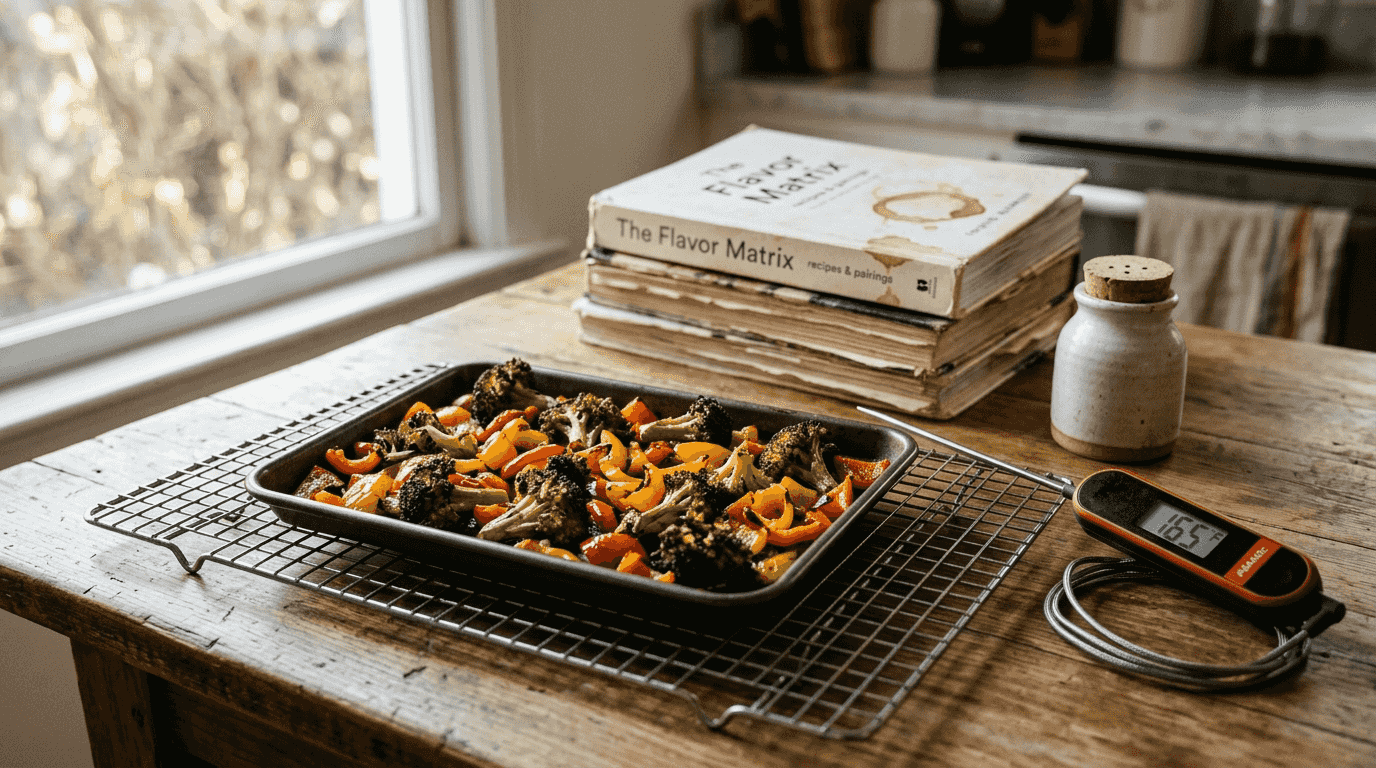
Phenolic compounds and antioxidants face similar degradation risks during cooking. These plant chemicals provide anti-inflammatory benefits and protect cells from oxidative stress. Research demonstrates that carrots maintain higher phenolic compound levels when air-fried versus oven-roasted. The combination of shorter exposure and lower oil quantities preserves these valuable nutrients more effectively.
Comparing nutrient retention across cooking methods reveals clear patterns:
| Cooking Method | Vitamin C Retention | Phenolic Compounds | Antioxidant Activity |
|---|---|---|---|
| Air Frying | 80-85% | High preservation | Maintains 75-80% |
| Oven Roasting | 70-75% | Moderate loss | Maintains 65-70% |
| Deep Frying | 60-65% | Significant loss | Maintains 50-60% |
| Boiling | 45-55% | Major loss | Maintains 40-50% |
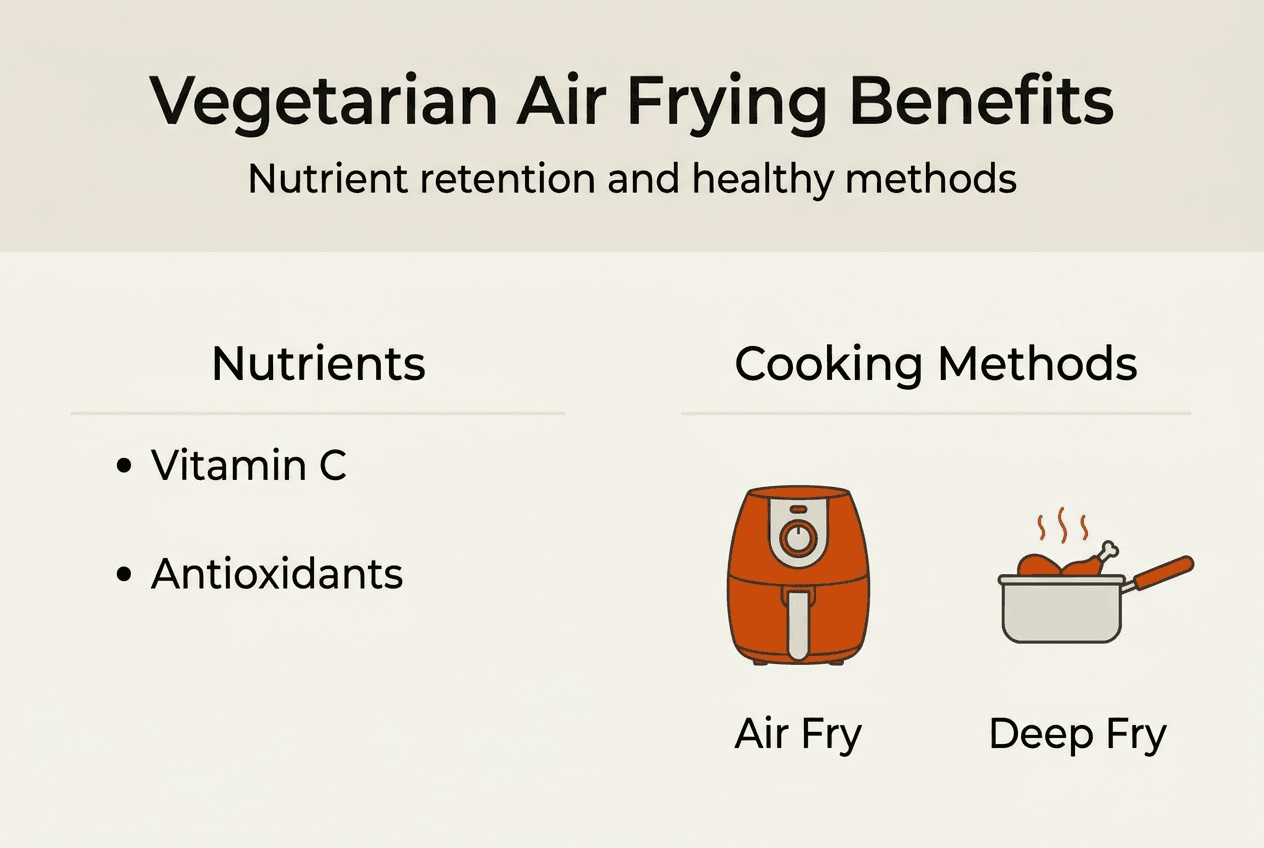
The science behind these differences relates to both temperature and cooking medium. Water-soluble vitamins like Vitamin C leach into cooking water during boiling. Deep frying exposes food to extremely high temperatures and oxidized oil, both of which degrade nutrients. Air frying strikes a balance, using high heat briefly while avoiding nutrient-stripping liquids or excessive oil.
Vegetables that benefit most nutritionally from air frying include:
- Broccoli and cauliflower for Vitamin C preservation
- Carrots and sweet potatoes for beta-carotene retention
- Brussels sprouts for glucosinolate protection
- Bell peppers for antioxidant maintenance
- Zucchini and eggplant for phenolic compound preservation
Pro Tip: Avoid excessive browning or charring when air frying vegetables. While a golden exterior adds flavor, overcooking creates advanced glycation end products that may reduce health benefits. Monitor cooking times carefully and remove food when it reaches light golden brown rather than dark brown.
Multiple studies confirm that air frying better preserves vitamins and antioxidants than oven roasting or deep frying. For vegetarians who depend on plants for complete nutrition, choosing cooking methods that maximize nutrient retention supports overall health goals. Learning what to air fry helps you select ingredients that deliver both nutrition and flavor.
Tips and tricks for perfect vegetarian air fryer meals
Drying vegetables before air frying makes the difference between soggy disappointment and satisfying crispiness. Excess moisture creates steam that prevents proper browning. Pat cauliflower, broccoli, or mushrooms thoroughly with paper towels before seasoning. For especially wet vegetables like zucchini, salt them lightly and let sit 10 minutes, then squeeze out released liquid before cooking.
Overcrowding the basket blocks air circulation and leads to uneven cooking. Food pieces should sit in a single layer with space between them for hot air to flow freely. Cook in batches rather than piling ingredients high. This proper preparation technique ensures every piece gets crispy rather than steamed.
Preheating decisions depend on what you are cooking. Dense vegetables like potatoes benefit from preheating because it jumpstarts the crisping process. Delicate items like leafy greens or thinly sliced vegetables cook so quickly that preheating becomes optional. Consider this comparison:
| Approach | Pros | Cons | Best For |
|---|---|---|---|
| Preheating | Faster crisping, better browning, consistent results | Adds 3-5 minutes, uses more energy | Root vegetables, tofu, frozen foods |
| No Preheating | Saves time, uses less energy, simpler process | Slower crisping, less even browning | Quick-cooking vegetables, reheating, delicate items |
Pressing tofu removes excess water that prevents proper texture development. Wrap firm or extra-firm tofu in clean towels, place a heavy pan on top, and let sit 20 to 30 minutes. This simple step transforms spongy tofu into crispy cubes that absorb marinades and seasonings effectively. Skip this for silken tofu, which works better in other applications.
Seasoning enhances vegetarian flavors without adding unhealthy fats. Nutritional yeast provides cheesy, umami notes. Smoked paprika adds depth to plain vegetables. Garlic powder, onion powder, and dried herbs create complex flavor profiles. Toss vegetables with seasonings and minimal oil before air frying for maximum flavor penetration.
Common pitfalls to avoid:
- Using too much oil, which creates greasy rather than crispy results
- Forgetting to shake or flip food halfway through cooking
- Setting temperature too high and burning exteriors before interiors cook
- Skipping the parchment paper or liner, leading to stuck-on food
- Cooking foods with very different densities together
Pro Tip: Adjust cooking times and temperatures based on your specific air fryer model and the quantity of food. Smaller batches cook faster than larger ones. Basket-style air fryers circulate air differently than oven-style models. Start with recommended times from a reliable time and temperature guide, then modify based on your results. Keep notes on what works best for your favorite recipes.
Experimenting with different vegetables and plant-based proteins helps you discover which ingredients shine in your air fryer. Try crispy air fryer falafel as a starting point for understanding how legume-based foods respond to this cooking method. Once you master basic techniques, you can adapt almost any vegetarian recipe for air frying success.
Discover delicious vegetarian air fryer recipes and guides
Ready to put these techniques into practice? Explore tested vegetarian recipes designed specifically for air fryer success. From crispy Brussels sprouts to perfectly seasoned chickpeas, you will find step-by-step instructions that take the guesswork out of air frying.
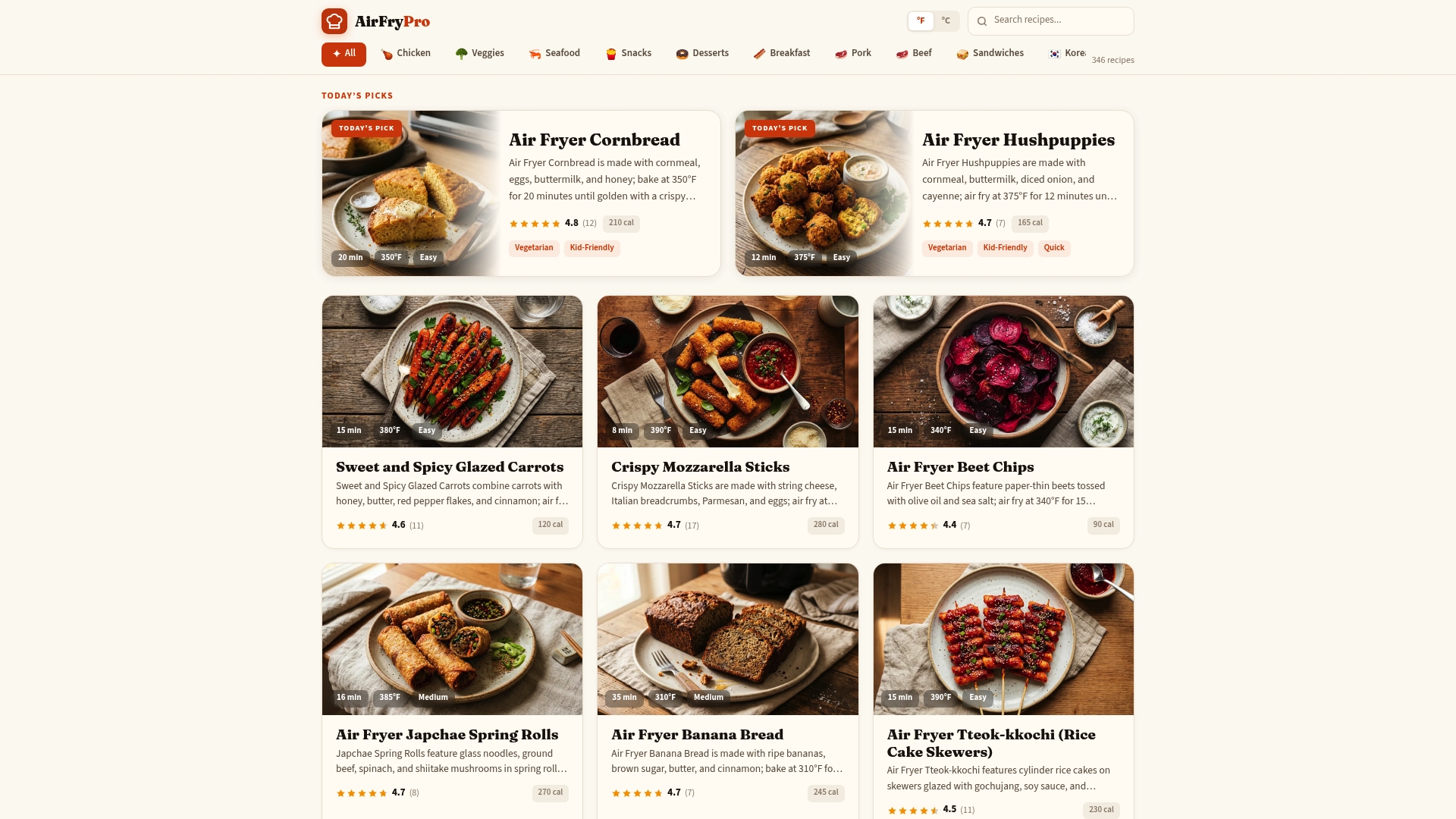
The perfect air fryer recipes collection includes appetizers, main courses, and snacks tailored for plant-based eating. Each recipe features cooking times, temperature settings, and pro tips for achieving restaurant-quality results at home. Whether you are new to air frying or looking to expand your repertoire, these resources provide the guidance you need.
Not sure where to start? The comprehensive guide to what to air fry breaks down which vegetables and plant-based proteins work best in your air fryer. You will learn which ingredients deliver maximum flavor and nutrition with minimal effort. The air fryer time and temperature guide eliminates confusion by providing precise settings for dozens of vegetarian ingredients, ensuring perfect results every time you cook.
Frequently asked questions
What kinds of vegetarian foods are best suited for air frying?
Root vegetables like potatoes, carrots, and sweet potatoes excel in air fryers due to their starch content, which crisps beautifully. Cruciferous vegetables such as broccoli, cauliflower, and Brussels sprouts develop excellent texture and flavor. Plant-based proteins including tofu, tempeh, and chickpeas become crispy on the outside while staying tender inside. Breaded items like falafel or veggie burgers achieve golden-brown crusts without deep frying.
Does air frying retain nutrients better than other cooking methods for vegetables?
Yes, air frying preserves more vitamins and antioxidants compared to boiling, deep frying, or extended oven roasting. The shorter cooking time and minimal oil exposure protect heat-sensitive nutrients like Vitamin C. Studies show air-fried vegetables retain 80 to 85% of their original Vitamin C content, significantly more than boiled or deep-fried alternatives.
How much oil should I use when air frying vegetarian meals?
Most vegetarian air fryer recipes need only one to two teaspoons of oil, or a light spray coating. This small amount helps achieve crispiness and enhances flavor without adding excessive calories or fat. Some naturally oily foods like avocado or marinated tofu may need no additional oil at all. Start with less oil than you think necessary, as you can always add more if needed.
Can I reheat vegetarian dishes in the air fryer without losing crispiness?
Air fryers excel at reheating because they recrisp food rather than making it soggy like microwaves do. Set your air fryer to 350°F and reheat for three to five minutes, checking frequently. This works particularly well for previously air-fried items like falafel, roasted vegetables, or veggie burgers. Avoid reheating delicate or moisture-rich foods that do not benefit from crisping.
Is preheating necessary for air frying vegetarian foods?
Preheating improves results for dense vegetables and frozen foods by creating immediate surface crisping. It is less critical for quick-cooking items like thinly sliced vegetables or foods with high moisture content. Most air fryers preheat in three to five minutes, so the time investment is minimal. Experiment with and without preheating to determine what works best for your favorite recipes and your specific air fryer model.