Seasoning your air fryer recipes properly transforms ordinary dishes into restaurant-quality meals, yet many home cooks struggle with timing and technique. The difference between bland and bold often comes down to knowing which seasonings to use, when to apply them, and how to make them stick. Whether you're cooking crispy chicken wings, golden french fries, or roasted vegetables, mastering a few simple seasoning strategies will elevate every meal you make. This guide explores proven methods from basic dry rubs to creative commercial blends that deliver maximum flavor with minimal effort.
Table of Contents
- Key Takeaways
- How to use oils and sprays to enhance seasoning adhesion
- Classic dry rub blends and their application for air fryer recipes
- Timing your seasoning: before, after, or both?
- Convenient and creative seasoning options for air fryer recipes
- Discover more perfect air fryer recipes and seasoning guides
- FAQ
Key Takeaways
| Point | Details |
|---|---|
| Oil boosts adhesion | Apply a light oil or spray before seasoning to help spices cling and create crispier air fryer results while avoiding greasy patches. |
| Timing adhesion window | Preheat the air fryer, apply seasonings right after oiling while the surface remains tacky for a short window of one to two minutes. |
| Dry rub basics | A basic dry rub combines salt, pepper, garlic powder, onion powder, and paprika, and should be massaged into oiled surfaces for a flavorful crust. |
| Apply before cooking | Sprinkle the rub over oiled surfaces and massage into crevices to improve adhesion and even flavor distribution before cooking. |
| Rub flavor tweaks | Customize with smoked paprika or chipotle for smoky depth, dried herbs for Mediterranean notes, or brown sugar for a hint of sweetness. |
How to use oils and sprays to enhance seasoning adhesion
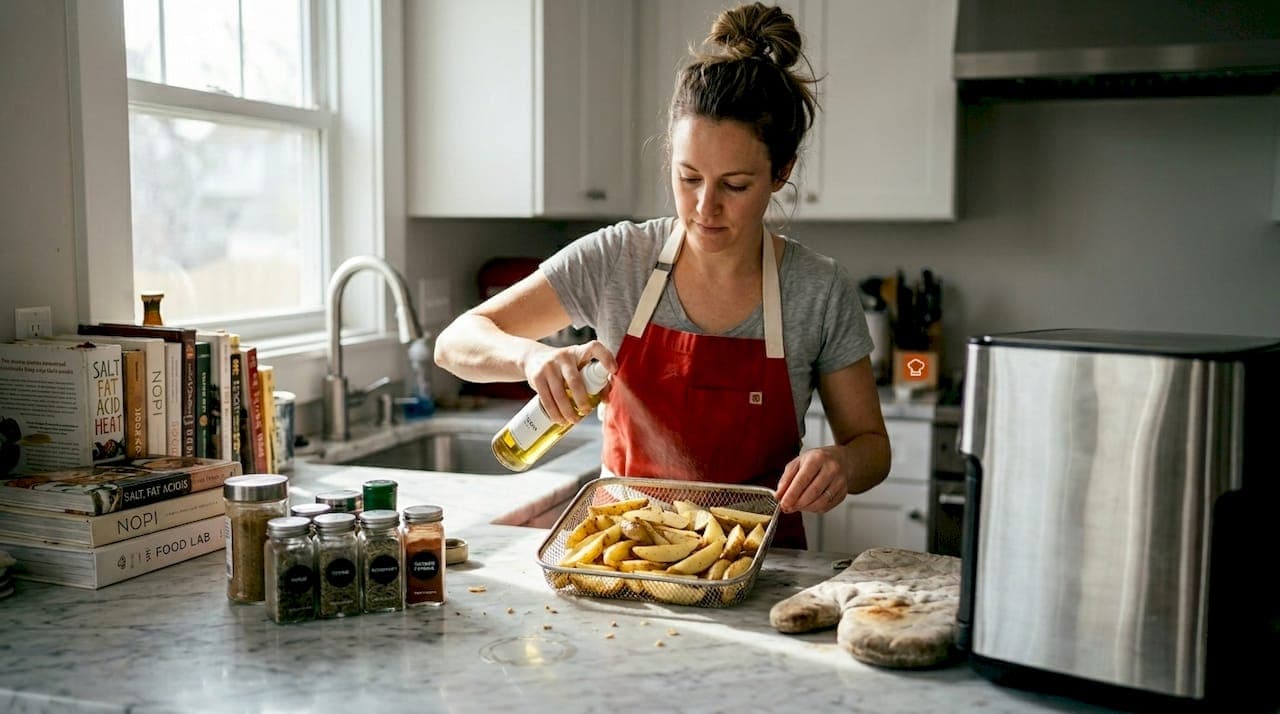
The foundation of well-seasoned air fryer food starts with proper oil application. Using oil or spray lightly before applying dry seasonings helps them stick and promotes crispiness with significantly less fat than traditional frying methods. A light mist or brush coat creates the perfect surface for spices to cling to while enabling that coveted golden-brown exterior.
The technique matters as much as the oil itself. Mist or brush your food evenly to achieve balanced coverage without creating greasy spots that can make seasonings clump. Think of oil as the glue that bonds your flavor to the food surface. Too much creates soggy patches, while too little leaves dry spots where seasonings fall off during cooking.
Timing your oil application correctly maximizes results. Preheat your air fryer so spices meet a hot surface immediately, which sets them in place and begins flavor development. Apply your seasonings right after oiling, while the surface remains tacky. This window of adhesion lasts only a minute or two before oil absorbs or drips.
Consider these oil application best practices:
- Use high smoke point oils like avocado, grapeseed, or refined coconut oil for temperatures above 400°F
- Apply oil in a spray bottle for the most even, controlled distribution
- Brush oil on delicate items like fish to avoid displacing breading or coatings
- Shake or stir the basket halfway through cooking to redistribute any seasonings that shifted
Pro Tip: Keep a spray bottle filled with your preferred cooking oil near your air fryer for quick, consistent application. This gives you better control than aerosol sprays and eliminates propellants that can leave residue.
For detailed guidance on air fryer techniques and temperature settings, check out our comprehensive air fryer cooking guide that covers everything from preheating to final crisping.
Classic dry rub blends and their application for air fryer recipes
Dry rubs represent the workhorse of air fryer seasoning, delivering bold savory flavors that penetrate food and create an irresistible crust. A basic dry rub combines salt, pepper, garlic powder, onion powder, and paprika in ratios you can adjust to personal taste. Start with one teaspoon of salt, half a teaspoon each of black pepper and garlic powder, quarter teaspoon of onion powder, and half a teaspoon of paprika for about one pound of food.
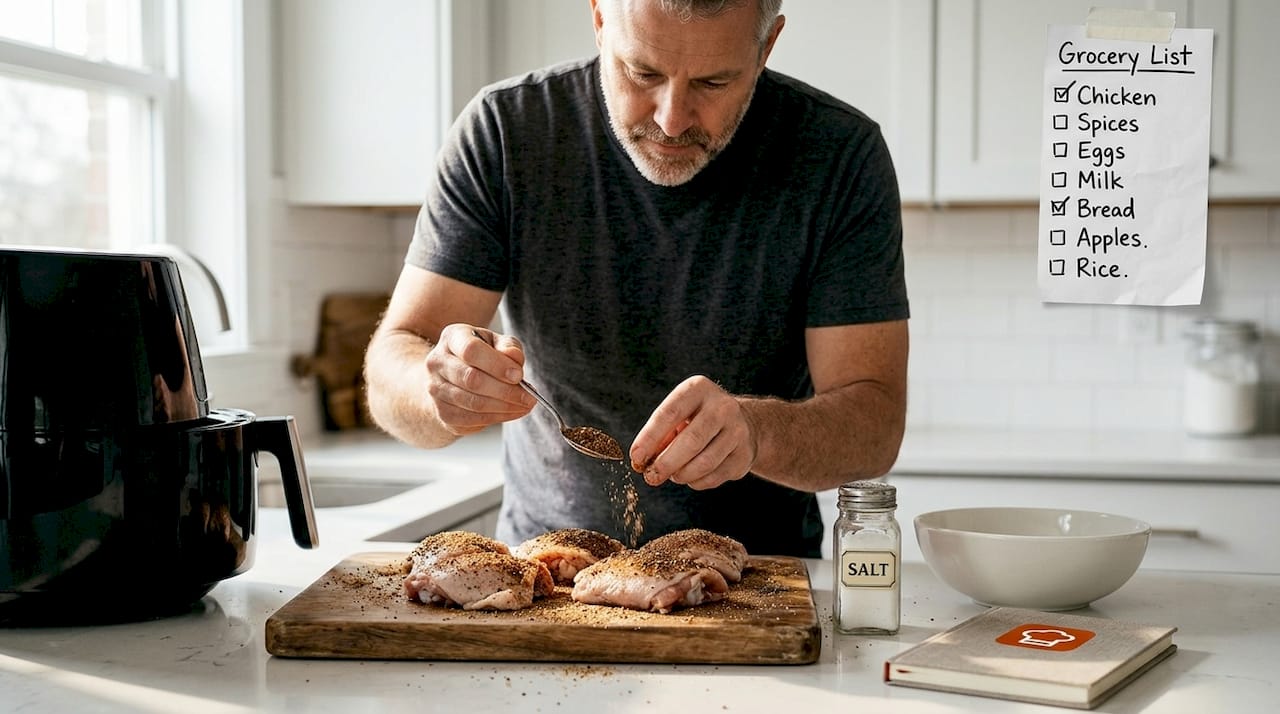
Application technique determines how well your rub performs. Sprinkle your blend generously over oiled surfaces, then massage it into the food with your hands. This physical contact presses seasonings into crevices and ensures even distribution. The friction also helps break down any clumps and creates better adhesion than simply shaking spices over food.
Dry rubs work exceptionally well on proteins and starchy vegetables. Chicken thighs, pork chops, and beef develop a flavorful bark that rivals grilled meats. Potato wedges and whole baby potatoes transform into crispy, seasoned bites that rival any restaurant side dish. The key is applying rubs before cooking so heat can activate the spices and meld flavors into the food surface.
Customization makes dry rubs endlessly versatile:
- Add smoked paprika or chipotle powder for smoky depth
- Include dried herbs like thyme, oregano, or rosemary for Mediterranean profiles
- Mix in brown sugar or coconut sugar for sweet and savory balance
- Incorporate cayenne or red pepper flakes for heat lovers
Pro Tip: Make large batches of your favorite dry rub blend and store in an airtight container for up to six months. Label with the date and ingredients so you can recreate successful combinations.
Explore various types of dry seasonings that work beautifully in air fryer applications, or try our herb-crusted pork tenderloin recipe for a sophisticated take on dry rub seasoning.
Timing your seasoning: before, after, or both?
When you season matters just as much as what you season with. Different foods respond better to specific timing strategies based on their texture, moisture content, and cooking duration. Seasoning meats before cooking allows flavors to penetrate the surface and develop complexity through the Maillard reaction, while delicate items benefit from post-cooking seasoning to prevent burnt spices.
Meats like chicken, beef, and pork develop deeper flavor when seasoned 15 to 30 minutes before cooking. Salt in particular draws moisture to the surface, which then gets reabsorbed along with dissolved seasonings. This process, called dry brining, creates juicier results with better seasoning distribution throughout each bite.
Vegetables and starchy sides often taste fresher when seasoned immediately after cooking. Hot surfaces from the air fryer help seasonings stick without additional oil, and delicate herbs retain their brightness when not exposed to high heat. French fries, for example, develop better texture when salted right out of the basket, as the steam helps salt crystals adhere.
Delicate proteins require special consideration. Fish fillets and seafood can have their subtle flavors overwhelmed by aggressive pre-seasoning, and fine spices may burn before the protein cooks through. A light seasoning before cooking followed by a finishing sprinkle after gives you layered flavor without bitterness.
| Food type | Season before | Season after | Season both |
|---|---|---|---|
| Chicken, beef, pork | ✓ Primary method | For fresh herbs only | For complex profiles |
| French fries, chips | Light coating | ✓ Primary method | For extra flavor |
| Vegetables | ✓ For roasted flavor | For fresh taste | For depth |
| Fish, seafood | Light touch | ✓ Primary method | For balanced flavor |
| Potatoes, root vegetables | ✓ Primary method | For finishing salt | For layered taste |
Consider combination timing for maximum impact. Season proteins before cooking for penetration, then add a light finishing touch of flaky salt or fresh herbs after cooking. This creates complexity that single-timing approaches cannot match.
For specific timing recommendations across different foods, visit our air fryer seasoning timing guide or explore air fryer food timing tips for optimal results.
Convenient and creative seasoning options for air fryer recipes
Beyond traditional spice blends, a world of convenient commercial mixes and creative options awaits adventurous home cooks. Commercial seasoning blends like McCormick Air Fryer Loaded or Garlic Parmesan eliminate measuring and mixing while delivering consistent, tested flavor profiles. These formulations account for air fryer cooking conditions and include ingredients specifically chosen to withstand high heat without burning.
Creative seasoning opens entirely new flavor dimensions. Bouillon powder, typically reserved for soups, creates an umami-rich coating on vegetables and potatoes. Tajin, a Mexican blend of chili, lime, and salt, transforms ordinary corn or fruit into tangy snacks. Cinnamon sugar turns air fryer apple chips or donut holes into dessert, while salt and vinegar seasoning gives fries a pub-style punch.
Application methods vary by blend type. Dry commercial mixes work best applied before cooking on oiled surfaces, while powdered bouillon or nutritional yeast adhere better when tossed with foods immediately after cooking using a light oil mist spray. This post-cooking spray-and-toss method prevents burning while ensuring even coverage.
Popular options include:
- Cheddar bacon seasoning for loaded fry experiences
- Everything bagel seasoning for vegetables and proteins
- Ranch powder for wings and roasted chickpeas
- Taco seasoning for Mexican-inspired dishes
- Old Bay for seafood and potato wedges
| Blend type | Flavor profile | Application ease | Best uses | Cost |
|---|---|---|---|---|
| Commercial mixes | Consistent, balanced, tested | Very easy, shake-on | All-purpose, beginners | Moderate |
| Creative DIY blends | Unique, customizable, bold | Easy with practice | Specific dishes | Low to moderate |
| Bouillon powder | Savory, umami-rich, salty | Easy, post-cooking toss | Vegetables, potatoes | Very low |
| International blends | Authentic, complex, distinctive | Moderate, may need research | Ethnic cuisines | Moderate to high |
Pro Tip: Start with half the recommended amount of any new commercial blend, then adjust upward. Formulations designed for traditional cooking can be overpowering in the concentrated environment of an air fryer.
Find inspiration across our air fryer recipe collection or learn how to perfectly season air fryer frozen fries using these techniques. For premium ready-made seasoning mixes designed specifically for air fryer cooking, explore specialized collections that take the guesswork out of flavor.
Discover more perfect air fryer recipes and seasoning guides
Mastering seasoning techniques opens the door to countless delicious possibilities in your air fryer. Our website offers an extensive library of tested recipes across every meal category, from crispy appetizers to satisfying main courses and indulgent desserts. Each recipe includes specific seasoning recommendations, temperature settings, and timing guidance to ensure your success.
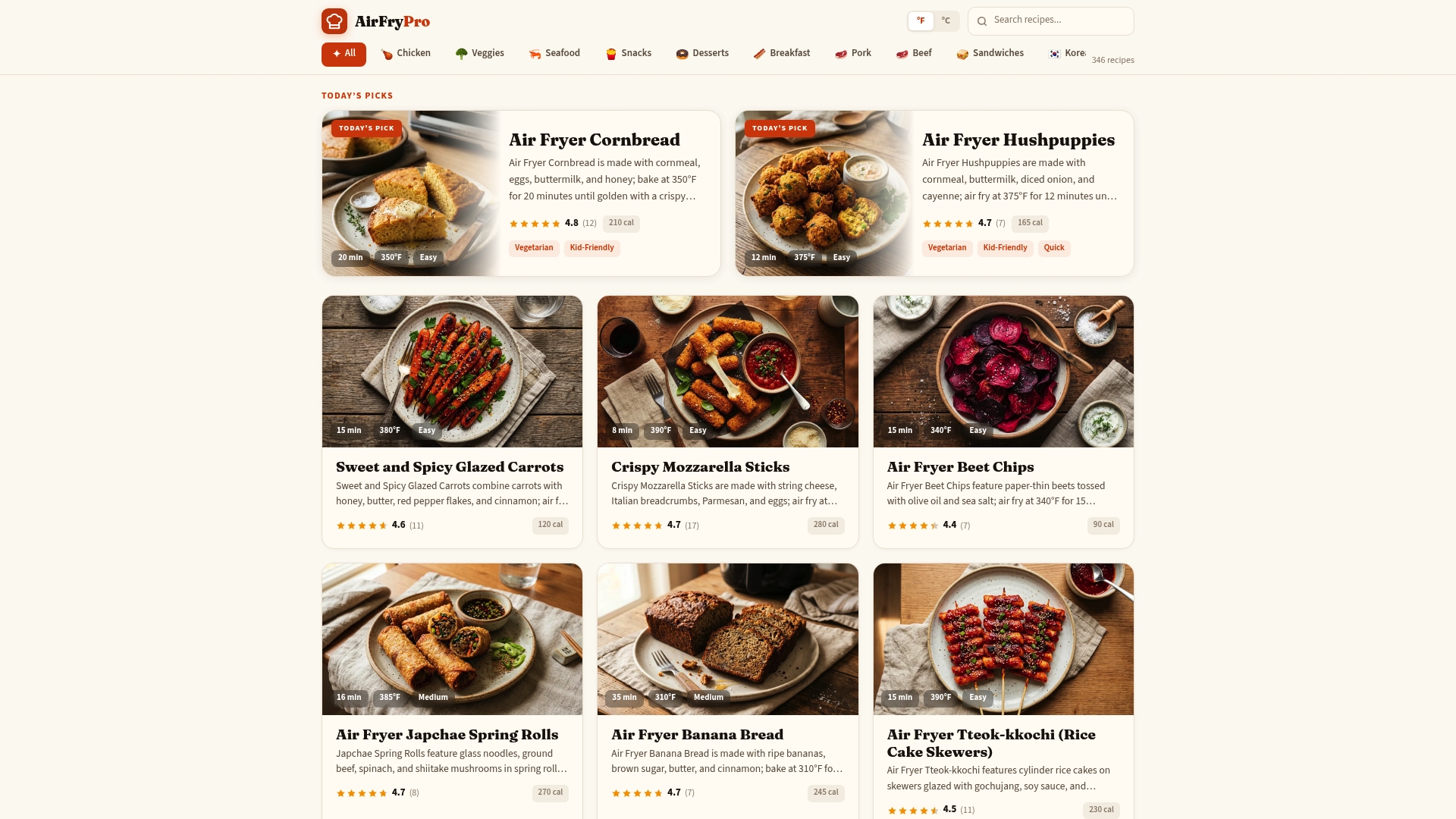
Explore our collection of perfect air fryer recipes that showcase these seasoning techniques in action. Our comprehensive air fryer time and temperature guide helps you optimize every dish for maximum flavor and texture. Try fan favorites like our air fryer frozen french fries recipe, which demonstrates how proper seasoning timing transforms a simple side into something special. Join our community of home cooks who are discovering that the right seasonings, applied at the right time, make air fryer cooking an everyday pleasure.
FAQ
When should I season my food for air frying?
Season meats, potatoes, and hearty vegetables before cooking to allow flavors to penetrate and develop during the cooking process. For french fries, delicate vegetables, and seafood, seasoning immediately after cooking preserves fresh flavors and prevents spices from burning. Some dishes benefit from a light seasoning before cooking followed by a finishing touch afterward for layered complexity.
What are some easy seasoning blends for beginners?
Start with a simple mixture of salt, black pepper, garlic powder, onion powder, and paprika in roughly equal proportions. This versatile blend works on nearly everything from chicken to vegetables. Alternatively, try convenient commercial options like Garlic Parmesan or cheddar bacon seasoning that require no mixing and deliver consistent results. These pre-made blends help you learn which flavor profiles you prefer before investing in individual spices.
How can I prevent spices from burning in the air fryer?
Use high smoke point oils like avocado or grapeseed to protect spices from direct heat exposure. Season delicate proteins and foods with fine spices after cooking rather than before to avoid burnt, bitter flavors. Preheat your air fryer and avoid temperatures above 400°F when using spice-heavy rubs, or reduce cooking time slightly to prevent surface charring while maintaining interior doneness.
Can I use fresh herbs in my air fryer seasonings?
Fresh herbs work best when added after cooking, as high heat quickly burns their delicate oils and turns them bitter. If you want herb flavor during cooking, use dried herbs which withstand heat better and release flavor gradually. Reserve fresh basil, cilantro, parsley, and other tender herbs as finishing touches that add brightness and visual appeal to your completed dishes.
How much seasoning should I use per pound of food?
A general guideline is one to two teaspoons of total seasoning per pound of food, depending on intensity preferences and the blend's salt content. Start with less than you think you need, as air fryer cooking concentrates flavors more than other methods. You can always add more seasoning after cooking, but you cannot remove excess. Taste a small piece first, then adjust for subsequent batches based on your preference.